Japanese Tattoo Names can give a tattoo a graceful, meaningful, and personal feel. Japanese words and names often carry rich meanings connected to nature, strength, love, peace, beauty, seasons, and the human spirit. A single Japanese word written in kanji can also create a clean and artistic tattoo design.
When choosing Japanese Tattoo Names, it is important to look at both the meaning and the actual Japanese writing. Some kanji have several readings, while some words can feel natural in Japanese but are unusual when used as a personal name.
For a tattoo, the visual shape of the characters matters too, so a short word with a strong meaning can be a beautiful choice.
How to Choose the Right Japanese Tattoo Name
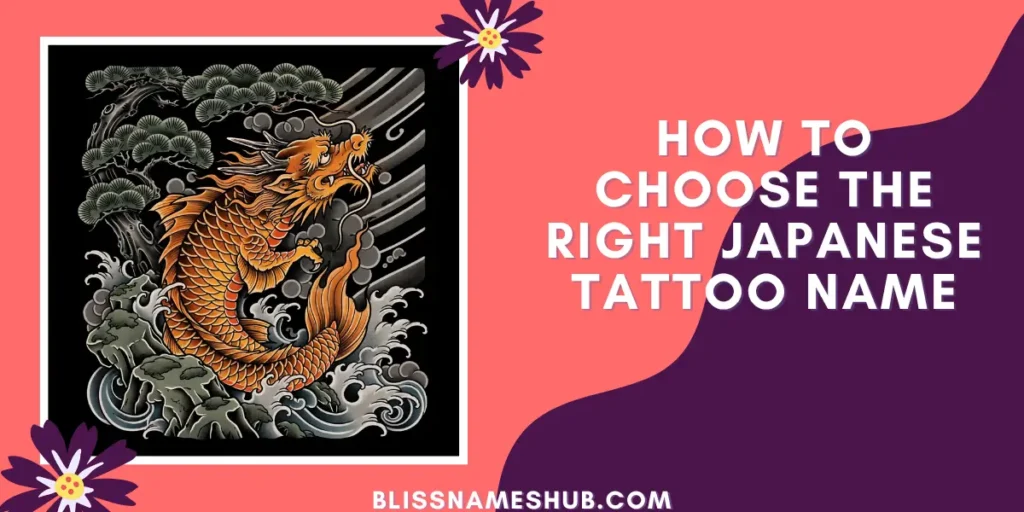
A good tattoo name should feel meaningful to you rather than simply looking attractive. Think about the idea you want your tattoo to represent, such as courage, love, freedom, calmness, beauty, or a connection with nature. You can also choose a Japanese word based on a personal memory or quality you want to carry with you.
Before getting the tattoo, double-check the exact kanji, reading, and meaning with a fluent Japanese speaker or qualified translator. Japanese writing can change in meaning depending on the characters used, and a small mistake can completely change the intended message.
Japanese Tattoo Names for Strength and Courage
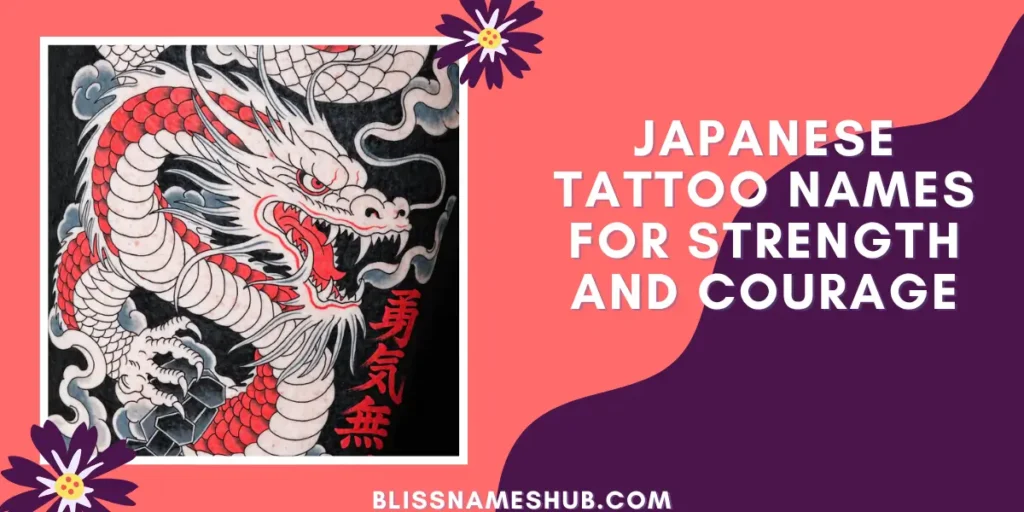
These Japanese Tattoo Names are inspired by strength, courage, determination, bravery, and inner power. They can work well for tattoos representing personal growth, resilience, or the ability to continue through difficult moments.
| Japanese Tattoo Name | Japanese Kanji | Meaning | Description |
|---|---|---|---|
| Tsuyosa | 強さ | Strength | Represents inner power, resilience, and determination. |
| Yūki | 勇気 | Courage | Symbolizes bravery and the willingness to face challenges. |
| Fudōshin | 不動心 | Immovable Mind | Represents a calm, unwavering spirit in difficult times. |
| Eiyū | 英雄 | Hero | Reflects bravery, honor, and heroic strength. |
| Ken | 剣 | Sword | Symbolizes discipline, sharp focus, and warrior spirit. |
| Musha | 武者 | Warrior | Represents a fighter’s courage and readiness to overcome obstacles. |
| Bushidō | 武士道 | Way of the Warrior | Reflects honor, loyalty, discipline, and courage. |
| Tamashii | 魂 | Soul | Represents the deep spirit and strength within a person. |
| Seishin | 精神 | Spirit | Symbolizes mental strength, determination, and perseverance. |
| Konjō | 根性 | Grit | Represents toughness, persistence, and refusing to give up. |
| Gaman | 我慢 | Perseverance | Reflects patience and the ability to endure hardship. |
| Nintai | 忍耐 | Endurance | Symbolizes patience and lasting strength through adversity. |
| Shin | 心 | Heart | Represents emotional strength, sincerity, and courage. |
| Kokoro | 心 | Heart and Mind | Reflects inner balance, compassion, and mental resilience. |
| Makoto | 誠 | Sincerity | Symbolizes honesty, integrity, and the courage to remain true. |
| Chūgi | 忠義 | Loyalty | Represents devotion, faithfulness, and strength of character. |
| Meiyo | 名誉 | Honor | Reflects dignity, integrity, and a life guided by principles. |
| Seigi | 正義 | Justice | Symbolizes standing up for what is right. |
| Kōki | 高貴 | Nobility | Represents dignity, noble character, and strength of spirit. |
| Shōri | 勝利 | Victory | Symbolizes success earned through courage and persistence. |
| Fukkatsu | 復活 | Rebirth | Represents rising again after hardship or defeat. |
| Saisei | 再生 | Renewal | Reflects recovery, transformation, and a fresh beginning. |
| Kibō | 希望 | Hope | Symbolizes the courage to keep moving forward. |
| Mirai | 未来 | Future | Represents ambition, possibility, and confidence in tomorrow. |
| Hikari | 光 | Light | Symbolizes hope, clarity, and the strength to overcome darkness. |
| Taiyō | 太陽 | Sun | Represents vitality, power, and an unbreakable life force. |
| Hi | 火 | Fire | Symbolizes passion, fierce determination, and transformation. |
| Raijin | 雷神 | Thunder God | Represents thunderous power and formidable strength in Japanese mythology. |
| Ryū | 龍 | Dragon | Symbolizes power, wisdom, protection, and courage. |
| Tora | 虎 | Tiger | Represents fearless strength, confidence, and fierce determination. |
| Shishi | 獅子 | Lion | Symbolizes bravery, authority, and a powerful spirit. |
| Ōkami | 狼 | Wolf | Represents resilience, independence, and loyalty to one’s pack. |
| Kuma | 熊 | Bear | Symbolizes physical power, protection, and endurance. |
| Hayate | 疾風 | Swift Wind | Represents speed, boldness, and decisive action. |
| Arashi | 嵐 | Storm | Symbolizes unstoppable force and the courage to face chaos. |
| Kaze | 風 | Wind | Represents freedom, adaptability, and quiet strength. |
| Iwa | 岩 | Rock | Symbolizes stability, resilience, and an unshakable foundation. |
| Yama | 山 | Mountain | Represents endurance, stability, and the strength to rise above challenges. |
| Tetsu | 鉄 | Iron | Symbolizes toughness, discipline, and a strong character. |
| Hagane | 鋼 | Steel | Represents resilience, firmness, and strength under pressure. |
| Kane | 金 | Gold | Symbolizes value, excellence, and enduring worth. |
| Mugen | 無限 | Infinity | Represents limitless potential and unending determination. |
| Eien | 永遠 | Eternity | Symbolizes everlasting commitment and enduring spirit. |
| Kizuna | 絆 | Bond | Represents the strength of meaningful connections and loyalty. |
| Mamoru | 守 | Protect | Symbolizes the courage to defend loved ones and principles. |
| Katsu | 勝つ | To Win | Represents determination, ambition, and the will to succeed. |
| Isamu | 勇 | Bravery | A traditional masculine name associated with courage and boldness. |
| Takeo | 武雄 | Warrior Hero | A masculine name evoking martial strength and heroic character. |
| Masaru | 勝 | Victory | A masculine name associated with winning and overcoming obstacles. |
| Shizuka | 静 | Calm | Represents quiet confidence, self-control, and strength without aggression. |
Japanese Tattoo Names Inspired by Nature
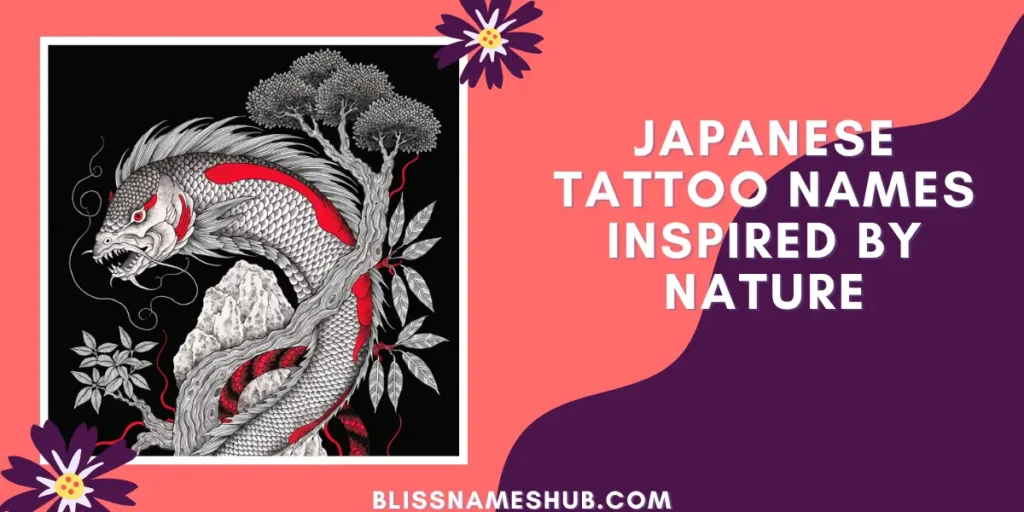
Nature offers some of the most graceful ideas for Japanese tattoos. These Japanese Tattoo Names include flowers, trees, mountains, rivers, rain, wind, and other natural images that can create a calm and timeless feeling.
| Japanese Tattoo Name | Japanese Kanji | Meaning | Description |
|---|---|---|---|
| Sakura | 桜 | Cherry Blossom | Symbolizes beauty, renewal, and the fleeting nature of life. |
| Hana | 花 | Flower | Represents beauty, growth, and the blossoming of new beginnings. |
| Sora | 空 | Sky | Symbolizes freedom, openness, and limitless possibilities. |
| Tsuki | 月 | Moon | Represents mystery, calmness, and the beauty of the night. |
| Taiyō | 太陽 | Sun | Symbolizes vitality, warmth, and life-giving energy. |
| Hikari | 光 | Light | Represents hope, clarity, and the brightness of the soul. |
| Yuki | 雪 | Snow | Symbolizes purity, tranquility, and a fresh start. |
| Ame | 雨 | Rain | Represents cleansing, renewal, and emotional release. |
| Kaze | 風 | Wind | Symbolizes freedom, movement, and adaptability. |
| Umi | 海 | Sea | Represents depth, peace, and the vastness of life. |
| Nami | 波 | Wave | Symbolizes resilience, change, and the rhythm of life. |
| Kawa | 川 | River | Represents continuous movement, persistence, and life’s journey. |
| Mori | 森 | Forest | Symbolizes growth, mystery, and a deep connection to nature. |
| Hayashi | 林 | Woods | Represents natural harmony, quiet strength, and peaceful surroundings. |
| Yama | 山 | Mountain | Symbolizes endurance, stability, and overcoming challenges. |
| Iwa | 岩 | Rock | Represents strength, permanence, and an unshakable spirit. |
| Taki | 滝 | Waterfall | Symbolizes powerful energy, freedom, and continuous renewal. |
| Izumi | 泉 | Spring | Represents freshness, purity, and the source of new life. |
| Shizuku | 雫 | Water Droplet | Symbolizes delicate beauty and the importance of small moments. |
| Kiri | 霧 | Mist | Represents mystery, softness, and the unknown. |
| Kumo | 雲 | Cloud | Symbolizes imagination, change, and a drifting spirit. |
| Hoshi | 星 | Star | Represents guidance, dreams, and hope in darkness. |
| Ryūsei | 流星 | Shooting Star | Symbolizes fleeting beauty, ambition, and wishes. |
| Amanogawa | 天の川 | Milky Way | Represents wonder, cosmic beauty, and infinite possibilities. |
| Akatsuki | 暁 | Dawn | Symbolizes a new beginning, awakening, and renewed hope. |
| Asahi | 朝日 | Morning Sun | Represents optimism, warmth, and the promise of a new day. |
| Yoake | 夜明け | Daybreak | Symbolizes emerging from darkness into a brighter future. |
| Yūhi | 夕日 | Evening Sun | Represents peaceful endings, reflection, and the beauty of change. |
| Akane | 茜 | Deep Red | Evokes the crimson hues of sunset and the warmth of nature. |
| Momiji | 紅葉 | Autumn Leaves | Symbolizes seasonal change, maturity, and the beauty of impermanence. |
| Kaede | 楓 | Maple Tree | Represents grace, transformation, and the changing seasons. |
| Matsu | 松 | Pine Tree | Symbolizes longevity, resilience, and steadfastness. |
| Take | 竹 | Bamboo | Represents flexibility, strength, and the ability to bend without breaking. |
| Ume | 梅 | Plum Blossom | Symbolizes perseverance and beauty that appears in winter. |
| Botan | 牡丹 | Peony | Represents elegance, prosperity, and bold natural beauty. |
| Kiku | 菊 | Chrysanthemum | Symbolizes longevity, dignity, and refined beauty. |
| Yuri | 百合 | Lily | Represents purity, elegance, and serenity. |
| Ayame | 菖蒲 | Iris | Symbolizes grace, courage, and elegant natural beauty. |
| Tsubaki | 椿 | Camellia | Represents devotion, beauty, and enduring affection. |
| Sumire | 菫 | Violet | Symbolizes modesty, sincerity, and delicate beauty. |
| Hasu | 蓮 | Lotus | Represents spiritual awakening, purity, and rising above adversity. |
| Tanpopo | 蒲公英 | Dandelion | Symbolizes resilience, freedom, and wishes carried by the wind. |
| Wakaba | 若葉 | Fresh Leaves | Represents youth, renewal, and new growth. |
| Kusa | 草 | Grass | Symbolizes simplicity, adaptability, and the persistence of life. |
| Tsuta | 蔦 | Ivy | Represents connection, endurance, and steady growth. |
| Kōyō | 紅葉 | Autumn Foliage | Evokes colorful leaves and the beauty of seasonal transitions. |
| Hotaru | 蛍 | Firefly | Symbolizes gentle light, hope, and fleeting beauty. |
| Chō | 蝶 | Butterfly | Represents transformation, freedom, and personal growth. |
| Tori | 鳥 | Bird | Symbolizes freedom, perspective, and the desire to explore. |
| Tsuru | 鶴 | Crane | Represents longevity, good fortune, and grace in Japanese tradition. |
| Shizuku no Mori | 雫の森 | Forest of Droplets | Evokes a tranquil forest after rain, filled with freshness and quiet beauty. |
Japanese Tattoo Names for Love and Relationships
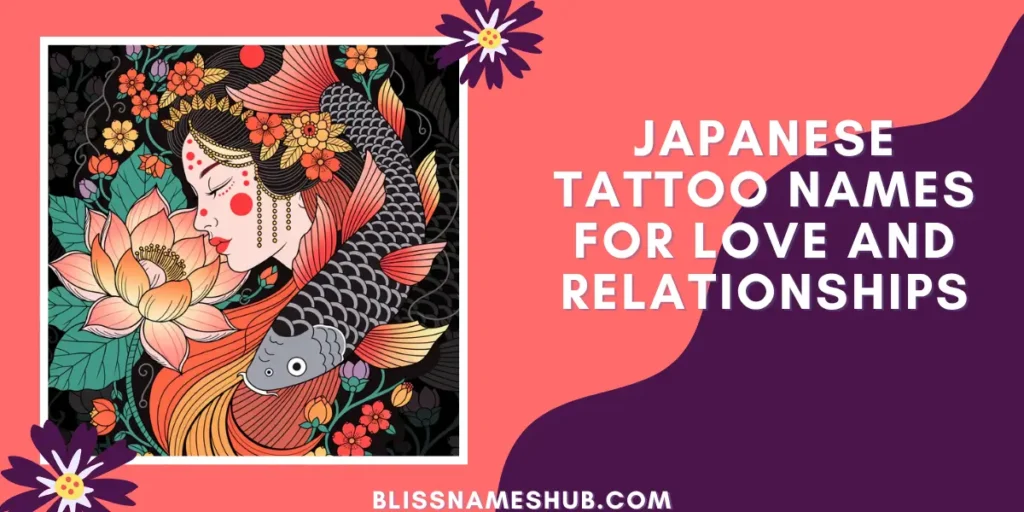
These Japanese Tattoo Names focus on love, affection, connection, friendship, devotion, and lasting relationships. They can suit meaningful tattoos dedicated to a partner, family member, friend, or loved one.
| Japanese Tattoo Name | Japanese Kanji | Meaning | Description |
|---|---|---|---|
| Ai | 愛 | Love | Represents deep affection and a heartfelt connection. |
| Koi | 恋 | Romantic Love | Symbolizes romantic feelings and passion. |
| Kizuna | 絆 | Bond | Represents a strong, lasting connection between two people. |
| Eien no Ai | 永遠の愛 | Eternal Love | Expresses love that lasts forever. |
| Aijō | 愛情 | Affection | Represents warmth, care, and genuine love. |
| Jun’ai | 純愛 | Pure Love | Symbolizes sincere and innocent romantic love. |
| Hatsu Koi | 初恋 | First Love | Represents the unforgettable feeling of first love. |
| Ren’ai | 恋愛 | Romantic Relationship | Reflects romance and emotional attachment. |
| Aishiteru | 愛してる | I Love You | Expresses profound love for someone special. |
| Itoshii | 愛しい | Beloved | Represents someone precious to your heart. |
| Koibito | 恋人 | Lover | Symbolizes a romantic partner. |
| Unmei | 運命 | Destiny | Represents two people destined to meet. |
| En | 縁 | Fate and Connection | Symbolizes the invisible ties that bring people together. |
| Akai Ito | 赤い糸 | Red Thread of Fate | Represents a destined romantic connection. |
| Yakusoku | 約束 | Promise | Symbolizes a promise shared between two people. |
| Chikai | 誓い | Vow | Represents commitment and devotion. |
| Kokoro | 心 | Heart | Symbolizes emotions, sincerity, and inner feelings. |
| Kokoro no Kizuna | 心の絆 | Bond of Hearts | Represents a deep emotional connection. |
| Futari | 二人 | Two People | Symbolizes two people sharing their lives. |
| Issho | 一緒 | Together | Represents unity and togetherness. |
| Eien | 永遠 | Eternity | Symbolizes everlasting love and devotion. |
| Shiawase | 幸せ | Happiness | Represents the joy found in a loving relationship. |
| Yasashisa | 優しさ | Kindness | Symbolizes tenderness and thoughtful love. |
| Nukumori | 温もり | Warmth | Represents the comfort of being loved. |
| Mamoru | 守る | To Protect | Symbolizes protecting someone precious. |
| Ai no Uta | 愛の歌 | Song of Love | Represents love expressed through the heart. |
| Ai no Hana | 愛の花 | Flower of Love | Symbolizes love blossoming beautifully. |
| Koi no Yume | 恋の夢 | Dream of Love | Represents romantic dreams and hopes. |
| Ai to Heiwa | 愛と平和 | Love and Peace | Symbolizes a peaceful and loving relationship. |
| Eien no Kizuna | 永遠の絆 | Eternal Bond | Represents a connection that lasts forever. |
| Shin’ai | 親愛 | Affection | Symbolizes sincere fondness and respect. |
| Aitai | 会いたい | I Want to See You | Expresses longing to be with someone. |
| Koigokoro | 恋心 | Romantic Feelings | Represents the emotions of falling in love. |
| Omoi | 想い | Feelings | Symbolizes deep emotions and heartfelt devotion. |
| Megumi | 恵み | Blessing | Represents love as a precious gift. |
| Nozomi | 望み | Hope | Symbolizes hope for a beautiful future together. |
| Hikari | 光 | Light | Represents a loved one who brightens your life. |
| Akari | 明かり | Light | Symbolizes warmth and comfort in a relationship. |
| Sakura | 桜 | Cherry Blossom | Represents beauty, renewal, and life’s fleeting moments. |
| Hana | 花 | Flower | Symbolizes beauty and love as it blossoms. |
| Tsuki | 月 | Moon | Represents romance, calmness, and quiet devotion. |
| Hoshi | 星 | Star | Symbolizes guidance and a love that shines brightly. |
| Niji | 虹 | Rainbow | Represents hope and happiness after difficult times. |
| Egao | 笑顔 | Smile | Symbolizes the happiness a loved one brings. |
| Taisetsu | 大切 | Precious | Represents someone deeply treasured. |
| Aitai Hito | 会いたい人 | Person I Want to See | Expresses longing for someone special. |
| Itsumademo | いつまでも | Forever | Represents a love meant to endure. |
| Futari no Ai | 二人の愛 | Love Between Two People | Symbolizes the love shared by a couple. |
| Ai wa Eien | 愛は永遠 | Love Is Eternal | Expresses the idea of everlasting love. |
| Meguriai | めぐり逢い | Fateful Meeting | Represents meeting someone special through fate. |
Japanese Tattoo Names for Beauty and Elegance
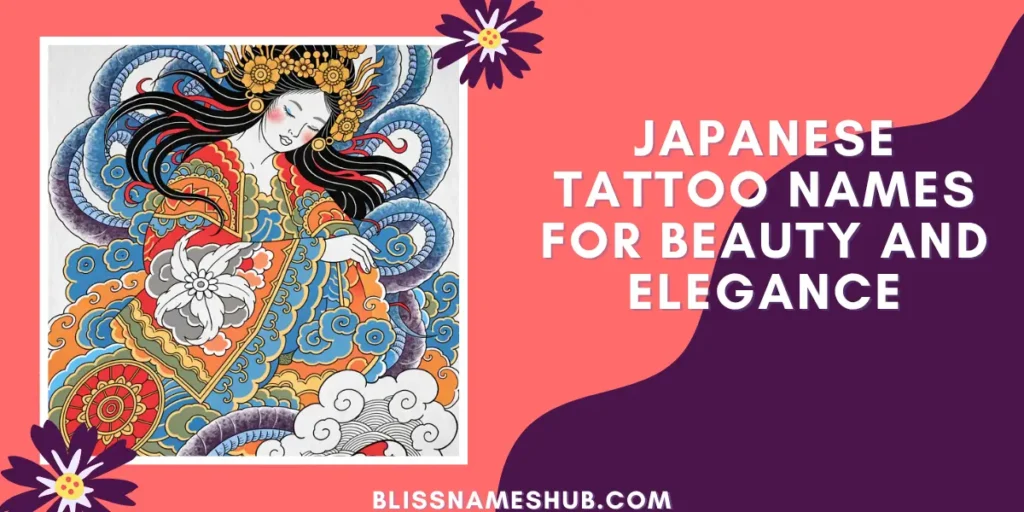
If you want something delicate, artistic, or feminine, these Japanese Tattoo Names offer ideas related to beauty, grace, elegance, purity, charm, and refined appearance.
| Japanese Tattoo Name | Japanese Kanji | Meaning | Description |
|---|---|---|---|
| Bi | 美 | Beauty | Represents beauty, grace, and aesthetic perfection. |
| Utsukushii | 美しい | Beautiful | Symbolizes elegance and natural beauty. |
| Miyabi | 雅 | Elegance | Represents refined taste, grace, and sophistication. |
| Kirei | 綺麗 | Beautiful | Expresses loveliness, cleanliness, and visual beauty. |
| Hana | 花 | Flower | Symbolizes delicate beauty and natural charm. |
| Sakura | 桜 | Cherry Blossom | Represents graceful beauty and the fleeting nature of life. |
| Bijin | 美人 | Beautiful Person | Symbolizes physical beauty and attractive features. |
| Reika | 麗花 | Beautiful Flower | Represents floral elegance and delicate charm. |
| Karen | 可憐 | Lovely and Delicate | Expresses gentle, charming beauty. |
| Ruri | 瑠璃 | Lapis Lazuli | Symbolizes jewel-like beauty and rich blue elegance. |
| Ayame | 菖蒲 | Iris Flower | Represents elegance and refined beauty. |
| Tsubaki | 椿 | Camellia | Symbolizes graceful beauty and dignity. |
| Botan | 牡丹 | Peony | Represents luxurious beauty and honor. |
| Yuri | 百合 | Lily | Symbolizes purity, grace, and elegance. |
| Sumire | 菫 | Violet | Represents modest beauty and gentle charm. |
| Ran | 蘭 | Orchid | Symbolizes sophistication and refined beauty. |
| Kaori | 香り | Fragrance | Represents an alluring presence and delicate charm. |
| Miyu | 美優 | Beauty and Gentleness | Symbolizes grace combined with kindness. |
| Rena | 麗奈 | Elegant Beauty | Represents refinement and feminine charm. |
| Ayaka | 彩花 | Colorful Flower | Symbolizes vibrant beauty and artistic elegance. |
| Haruka | 遥か | Distant or Faraway | Evokes a sense of mystery and poetic beauty. |
| Hikari | 光 | Light | Represents radiant beauty and inner brightness. |
| Akari | 明かり | Light or Glow | Symbolizes warmth and a gentle radiance. |
| Tsukimi | 月見 | Moon Viewing | Represents the appreciation of serene natural beauty. |
| Tsuki | 月 | Moon | Symbolizes quiet elegance and celestial beauty. |
| Yuki | 雪 | Snow | Represents purity, simplicity, and delicate beauty. |
| Shizuka | 静か | Quiet | Symbolizes peaceful elegance and a calm presence. |
| Nagisa | 渚 | Shore | Evokes the graceful beauty of the seaside. |
| Koharu | 小春 | Little Spring | Represents the gentle warmth and beauty of spring. |
| Fuyuka | 冬花 | Winter Flower | Symbolizes delicate beauty in the cold season. |
| Asuka | 飛鳥 | Flying Bird | Represents freedom, lightness, and graceful movement. |
| Suzume | 雀 | Sparrow | Symbolizes delicate charm and natural simplicity. |
| Chō | 蝶 | Butterfly | Represents transformation, grace, and beauty. |
| Hotaru | 蛍 | Firefly | Symbolizes a soft, enchanting glow. |
| Shion | 紫苑 | Aster Flower | Represents elegance and remembrance. |
| Kohana | 小花 | Little Flower | Symbolizes small, delicate beauty. |
| Momoka | 桃花 | Peach Blossom | Represents fresh beauty and springtime charm. |
| Mizuki | 美月 | Beautiful Moon | Symbolizes luminous beauty and elegance. |
| Seira | 星羅 | Starry Sky | Evokes celestial beauty and sophistication. |
| Amane | 天音 | Heavenly Sound | Represents ethereal beauty and harmony. |
| Kanon | 花音 | Flower Sound | Symbolizes floral elegance and gentle harmony. |
| Nozomi | 望み | Hope | Represents the inner beauty of optimism. |
| Megumi | 恵み | Blessing | Symbolizes the beauty of kindness and generosity. |
| Kokoro | 心 | Heart | Represents inner beauty and sincerity. |
| Yasumi | 休み | Rest | Evokes peacefulness, simplicity, and tranquility. |
| Nadeshiko | 撫子 | Pink Dianthus Flower | Represents traditional Japanese feminine grace. |
| Kiyomi | 清美 | Pure Beauty | Symbolizes clarity, purity, and refined elegance. |
| Reimi | 玲美 | Beautiful and Delicate | Evokes the image of polished, jewel-like beauty. |
| Shiori | 栞 | Bookmark | Represents quiet charm, literature, and subtle elegance. |
| Murasaki | 紫 | Purple | Symbolizes nobility, luxury, and refined beauty. |
Japanese Tattoo Names for Peace, Calm, and Inner Balance
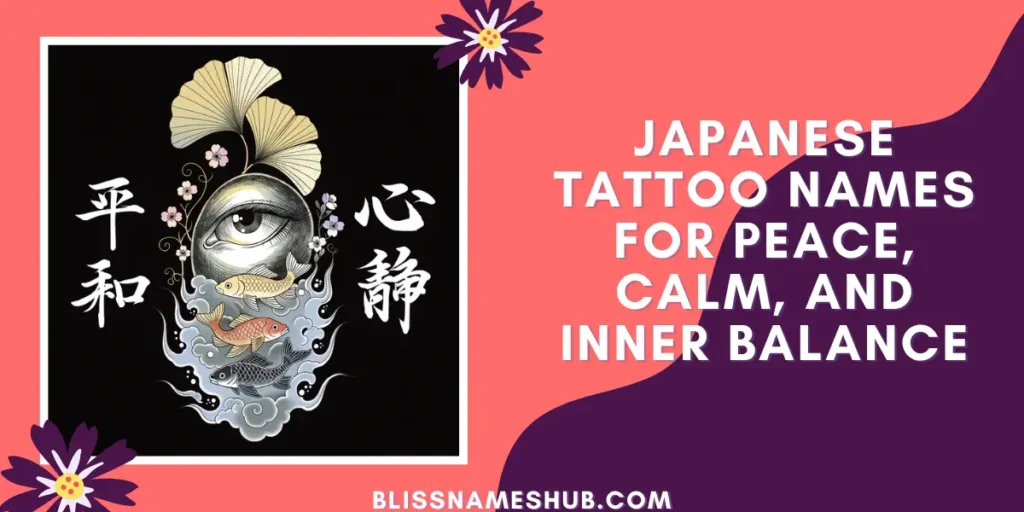
These Japanese Tattoo Names are ideal when your tattoo represents a peaceful life, emotional balance, quietness, acceptance, or a calm state of mind.
| Japanese Tattoo Name | Japanese Kanji | Meaning | Description |
|---|---|---|---|
| Heiwa | 平和 | Peace | Represents harmony and freedom from conflict. |
| Yasuragi | 安らぎ | Tranquility | Symbolizes inner peace and comfort. |
| Shizuka | 静か | Calm | Represents a quiet and peaceful spirit. |
| Kokoro | 心 | Heart | Symbolizes emotional depth and inner balance. |
| Wa | 和 | Harmony | Represents unity, balance, and peaceful coexistence. |
| Anshin | 安心 | Peace of Mind | Symbolizes security and emotional calm. |
| Anraku | 安楽 | Peace and Comfort | Represents a life of ease and tranquility. |
| Seijaku | 静寂 | Silence | Symbolizes stillness and deep calm. |
| Chowa | 調和 | Balance and Harmony | Represents a balanced and harmonious life. |
| Mu | 無 | Nothingness | Symbolizes freedom from attachment and mental clutter. |
| Zen | 禅 | Zen Meditation | Represents mindfulness and spiritual calm. |
| Satori | 悟り | Enlightenment | Symbolizes awakening and deeper understanding. |
| Jiyu | 自由 | Freedom | Represents inner liberation and independence. |
| Shizen | 自然 | Nature | Symbolizes living naturally and peacefully. |
| Nagomi | 和み | Calmness | Represents a soothing and gentle atmosphere. |
| Seion | 静穏 | Serenity | Symbolizes quietness and peaceful surroundings. |
| Heion | 平穏 | Serenity | Represents a calm and undisturbed life. |
| Annon | 安穏 | Peacefulness | Symbolizes freedom from worry and distress. |
| Kokyu | 呼吸 | Breathing | Represents mindfulness and returning to the present. |
| Shin | 心 | Mind and Heart | Symbolizes emotional awareness and inner strength. |
| Mei | 明 | Clarity | Represents brightness, clear thinking, and understanding. |
| Akari | 明かり | Light | Symbolizes hope and gentle inner warmth. |
| Hikari | 光 | Light | Represents spiritual clarity and positivity. |
| Tsuki | 月 | Moon | Symbolizes quiet beauty and peaceful reflection. |
| Sora | 空 | Sky | Represents openness, freedom, and limitless possibility. |
| Umi | 海 | Sea | Symbolizes depth, calmness, and emotional resilience. |
| Kaze | 風 | Wind | Represents freedom and the ability to let go. |
| Kumo | 雲 | Cloud | Symbolizes softness and a peaceful mind. |
| Yuki | 雪 | Snow | Represents purity, stillness, and simplicity. |
| Haru | 春 | Spring | Symbolizes renewal, hope, and fresh beginnings. |
| Nagi | 凪 | Calm Sea | Represents stillness and freedom from turmoil. |
| Minamo | 水面 | Water’s Surface | Symbolizes reflection and peaceful waters. |
| Shizuku | 雫 | Water Droplet | Represents simplicity and quiet beauty. |
| Mizu | 水 | Water | Symbolizes adaptability, flow, and balance. |
| Izumi | 泉 | Spring or Fountain | Represents renewal and a source of peace. |
| Hotaru | 蛍 | Firefly | Symbolizes a gentle light in the darkness. |
| Towa | 永遠 | Eternity | Represents enduring peace and timelessness. |
| Megumi | 恵み | Blessing | Symbolizes gratitude and appreciation. |
| Nozomi | 望み | Hope | Represents optimism and peaceful aspirations. |
| Yasashisa | 優しさ | Kindness | Symbolizes gentleness and compassion. |
| Odayaka | 穏やか | Serene | Represents a calm temperament and peaceful life. |
| Jaku | 寂 | Stillness | Symbolizes quiet contemplation and simplicity. |
| Kiyora | 清ら | Purity | Represents a clear, gentle, and peaceful spirit. |
| Sei | 静 | Stillness | Symbolizes quiet strength and calmness. |
| Waon | 和音 | Harmony of Sounds | Represents balance and peaceful connection. |
| Enso | 円相 | Zen Circle | Symbolizes wholeness, mindfulness, and the present moment. |
| Kanso | 簡素 | Simplicity | Represents a peaceful life free from excess. |
| Shanti | — | Peace | A Sanskrit word used in Japanese spiritual contexts to express peace. |
| Kokyu no Wa | 呼吸の輪 | Circle of Breath | Symbolizes mindful breathing and balance. |
| Shinshin Ichinyo | 心身一如 | Mind and Body as One | Represents unity between mental and physical well-being. |
Japanese Tattoo Names Inspired by the Moon, Stars, and Sky
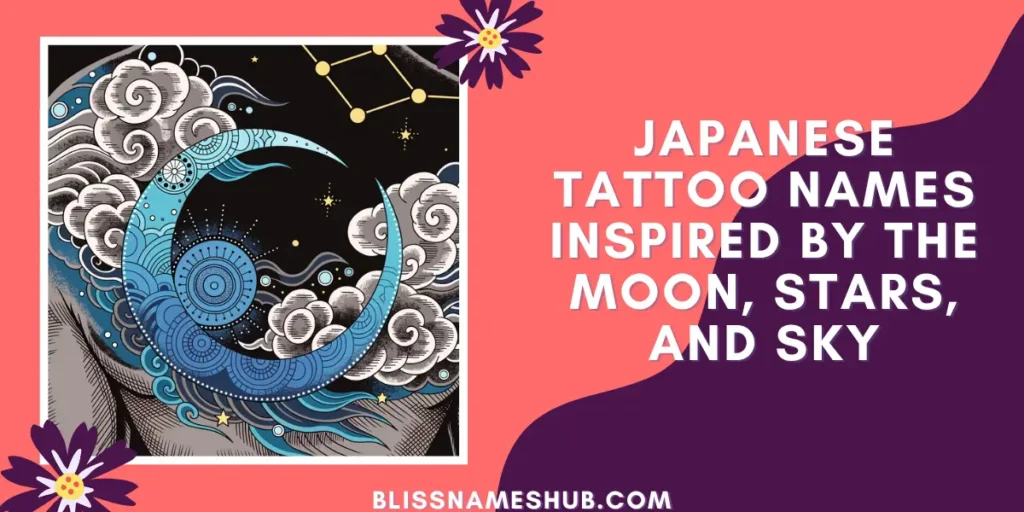
For a mysterious or dreamy tattoo, celestial Japanese words can be especially beautiful. These Japanese Tattoo Names are connected with the moon, stars, night, dawn, clouds, and the open sky.
| Japanese Tattoo Name | Japanese Kanji | Meaning | Description |
|---|---|---|---|
| Tsuki | 月 | Moon | Represents serenity, mystery, and celestial beauty. |
| Hoshi | 星 | Star | Symbolizes hope, guidance, and dreams. |
| Sora | 空 | Sky | Represents freedom, openness, and endless possibilities. |
| Gekkō | 月光 | Moonlight | Symbolizes gentle beauty and peaceful illumination. |
| Hoshizora | 星空 | Starry Sky | Represents wonder and the beauty of the universe. |
| Mangetsu | 満月 | Full Moon | Symbolizes completeness and fulfillment. |
| Mikazuki | 三日月 | Crescent Moon | Represents new beginnings and quiet elegance. |
| Shingetsu | 新月 | New Moon | Symbolizes renewal and fresh starts. |
| Tsukikage | 月影 | Moonlight or Moon’s Shadow | Evokes mystery and poetic beauty. |
| Amatsuki | 天月 | Heavenly Moon | Represents a celestial and ethereal presence. |
| Seiza | 星座 | Constellation | Symbolizes connection and the patterns of destiny. |
| Ryūsei | 流星 | Shooting Star | Represents wishes, fleeting beauty, and inspiration. |
| Suisei | 彗星 | Comet | Symbolizes individuality and a brilliant journey. |
| Amanogawa | 天の川 | Milky Way | Represents cosmic wonder and infinite possibility. |
| Ginga | 銀河 | Galaxy | Symbolizes vastness, mystery, and universal connection. |
| Uchū | 宇宙 | Universe | Represents limitless potential and existence. |
| Tenkuu | 天空 | Heavens | Symbolizes freedom and the vast open sky. |
| Yoake | 夜明け | Dawn | Represents hope and the start of a new chapter. |
| Akatsuki | 暁 | Daybreak | Symbolizes awakening, courage, and renewal. |
| Tasogare | 黄昏 | Twilight | Represents transition, reflection, and quiet beauty. |
| Yūzora | 夕空 | Evening Sky | Evokes peace and the soft colors of sunset. |
| Asazora | 朝空 | Morning Sky | Symbolizes fresh beginnings and optimism. |
| Hikari | 光 | Light | Represents guidance, clarity, and hope. |
| Kōmyō | 光明 | Radiance | Symbolizes enlightenment and a bright future. |
| Amaterasu | 天照 | Heavenly Illumination | Refers to the Japanese sun goddess and divine light. |
| Taiyō | 太陽 | Sun | Represents life, energy, and strength. |
| Nichirin | 日輪 | Solar Disk | Symbolizes the sun’s radiant power. |
| Nisshoku | 日食 | Solar Eclipse | Represents transformation and celestial mystery. |
| Gesshoku | 月食 | Lunar Eclipse | Symbolizes change and the wonder of the cosmos. |
| Tenmon | 天文 | Astronomy | Represents fascination with celestial phenomena. |
| Ten no Hoshi | 天の星 | Heavenly Star | Evokes a star shining in the heavens. |
| Hoshikuzu | 星屑 | Stardust | Symbolizes cosmic beauty and countless possibilities. |
| Hoshikage | 星影 | Starlight or Star’s Shadow | Represents subtle beauty and celestial mystery. |
| Hoshifuru | 星降る | Falling Stars | Evokes a magical sky filled with stars. |
| Subaru | 昴 | Pleiades Star Cluster | Symbolizes unity and the beauty of clustered stars. |
| Hikoboshi | 彦星 | Cowherd Star | Represents the legendary lover in the Tanabata story. |
| Orihime | 織姫 | Weaving Princess | Symbolizes love and the celestial Tanabata legend. |
| Tanabata | 七夕 | Star Festival | Represents romance and the meeting of two celestial lovers. |
| Kōsei | 恒星 | Fixed Star | Symbolizes steadiness and lasting guidance. |
| Myōjō | 明星 | Bright Star | Represents brilliance and a guiding presence. |
| Kinsei | 金星 | Venus | Symbolizes celestial beauty and the bright evening star. |
| Meisei | 冥星 | Mysterious Star | Evokes an enigmatic celestial image. |
| Seiun | 星雲 | Nebula | Represents creation, mystery, and cosmic beauty. |
| Uchū no Yume | 宇宙の夢 | Dream of the Universe | Symbolizes limitless imagination and aspirations. |
| Tsukiakari | 月明かり | Moonlight | Represents calmness and gentle illumination. |
| Amaoto | 雨音 | Sound of Rain | Evokes peaceful reflection beneath the sky. |
| Amahoshi | 天星 | Heavenly Star | Suggests a star in the heavens; a poetic name choice. |
| Sorairo | 空色 | Sky Blue | Represents openness, tranquility, and freedom. |
| Tenchi | 天地 | Heaven and Earth | Symbolizes the balance between the celestial and earthly worlds. |
| Eien no Sora | 永遠の空 | Eternal Sky | Represents endless freedom and timeless beauty. |
Japanese Tattoo Names With Warrior and Traditional Themes
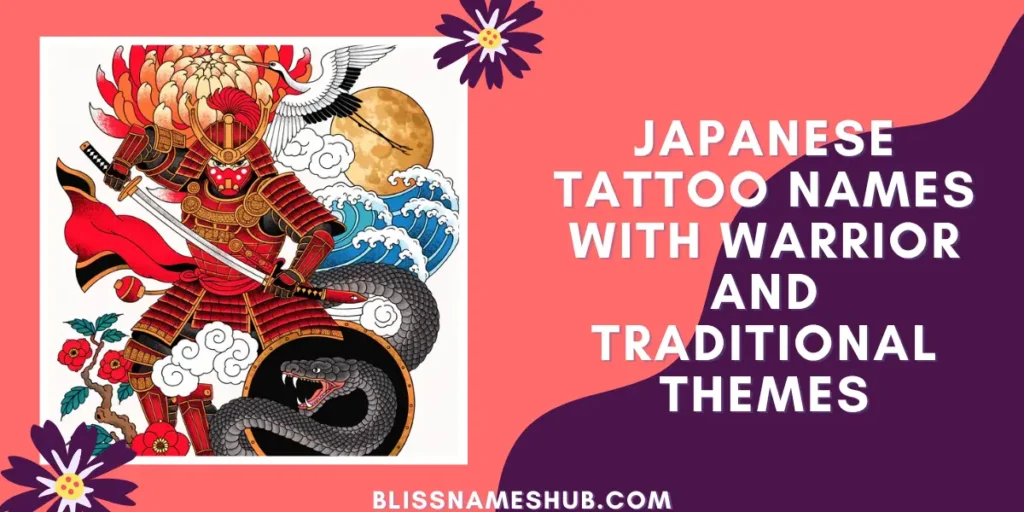
These Japanese Tattoo Names have a stronger traditional feeling. They draw inspiration from warriors, swords, honor, protection, discipline, and courage. They can suit bold tattoos or designs featuring traditional Japanese artwork.
| Japanese Tattoo Name | Japanese Kanji | Meaning | Description |
|---|---|---|---|
| Bushidō | 武士道 | Way of the Warrior | Represents honor, discipline, and loyalty. |
| Samurai | 侍 | Warrior | Symbolizes courage, service, and dedication. |
| Bujin | 武人 | Martial Warrior | Represents strength, skill, and discipline. |
| Musha | 武者 | Warrior | Symbolizes bravery and readiness for battle. |
| Ken | 剣 | Sword | Represents martial skill and determination. |
| Kenshi | 剣士 | Swordsman | Symbolizes mastery, precision, and discipline. |
| Tsurugi | 剣 | Traditional Sword | Represents courage and the warrior spirit. |
| Katana | 刀 | Japanese Sword | Symbolizes honor, strength, and tradition. |
| Ronin | 浪人 | Masterless Samurai | Represents independence and perseverance. |
| Shōgun | 将軍 | Military Commander | Symbolizes leadership, authority, and strategy. |
| Daimyō | 大名 | Feudal Lord | Represents power, responsibility, and status. |
| Ninja | 忍者 | Stealth Warrior | Symbolizes secrecy, agility, and resourcefulness. |
| Shinobi | 忍 | Stealth and Endurance | Represents patience, resilience, and discretion. |
| Nintai | 忍耐 | Perseverance | Symbolizes the ability to endure hardship. |
| Yūki | 勇気 | Courage | Represents bravery in the face of adversity. |
| Tsuyosa | 強さ | Strength | Symbolizes inner power and resilience. |
| Chikara | 力 | Power | Represents physical and spiritual strength. |
| Tamashii | 魂 | Soul | Symbolizes spirit, identity, and determination. |
| Konjō | 根性 | Grit | Represents persistence and an unbreakable attitude. |
| Fudōshin | 不動心 | Immovable Mind | Symbolizes composure and unwavering resolve. |
| Heijōshin | 平常心 | Calm Mind | Represents emotional control under pressure. |
| Makoto | 誠 | Sincerity | Symbolizes honesty, integrity, and loyalty. |
| Gi | 義 | Righteousness | Represents moral duty and justice. |
| Rei | 礼 | Respect | Symbolizes courtesy, humility, and honor. |
| Chūgi | 忠義 | Loyalty | Represents faithfulness and devotion. |
| Meiyo | 名誉 | Honor | Symbolizes dignity and a respected reputation. |
| Seigi | 正義 | Justice | Represents fairness and standing up for what is right. |
| Giri | 義理 | Duty | Symbolizes responsibility and social obligation. |
| Kensei | 剣聖 | Sword Saint | Represents exceptional swordsmanship and mastery. |
| Shura | 修羅 | Fierce Warrior Spirit | Evokes relentless battle and intensity. |
| Ryū | 龍 | Dragon | Symbolizes power, wisdom, and protection. |
| Tora | 虎 | Tiger | Represents ferocity, courage, and strength. |
| Kitsune | 狐 | Fox | Symbolizes cleverness and transformation in Japanese folklore. |
| Oni | 鬼 | Demon or Ogre | Represents fearsome power in traditional folklore. |
| Tengu | 天狗 | Legendary Mountain Being | Symbolizes martial prowess and supernatural strength. |
| Hōō | 鳳凰 | Phoenix | Represents renewal, nobility, and triumph. |
| Fūjin | 風神 | God of Wind | Symbolizes the force and freedom of the wind. |
| Raijin | 雷神 | God of Thunder | Represents thunderous power and divine protection. |
| Inazuma | 稲妻 | Lightning | Symbolizes speed, energy, and sudden force. |
| Arashi | 嵐 | Storm | Represents fierce determination and untamed strength. |
| Kiba | 牙 | Fang | Symbolizes sharpness, ferocity, and fighting spirit. |
| Homura | 炎 | Flame | Represents passion, courage, and burning resolve. |
| Hi | 火 | Fire | Symbolizes energy, transformation, and power. |
| Kurogane | 鉄 | Iron | Represents toughness, endurance, and resilience. |
| Hagane | 鋼 | Steel | Symbolizes strength, firmness, and determination. |
| Yamato-damashii | 大和魂 | Japanese Spirit | Represents traditional ideals of courage and devotion. |
| Shōbu | 勝負 | Contest or Match | Symbolizes the determination to face a challenge. |
| Gōki | 剛毅 | Fortitude | Represents firmness, courage, and mental strength. |
| Tenka Musō | 天下無双 | Unrivaled Under Heaven | Expresses exceptional skill and unmatched prowess. |
| Zanshin | 残心 | Remaining Mind | Represents alertness, awareness, and continued focus. |
Short and Minimalist Japanese Tattoo Names
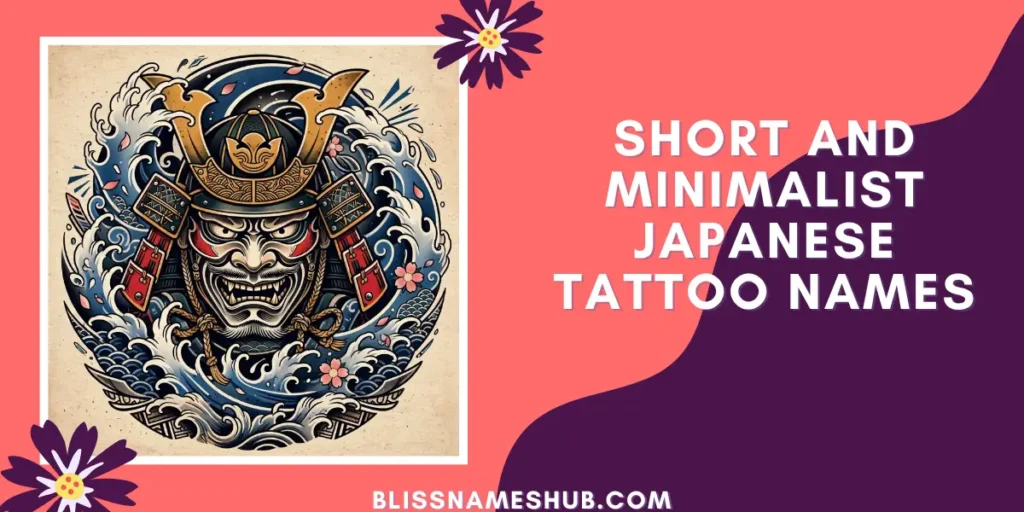
Short Japanese Tattoo Names are ideal for small tattoos on the wrist, finger, neck, ankle, shoulder, or behind the ear. These choices are visually simple while still carrying meaningful ideas.
| Japanese Tattoo Name | Japanese Kanji | Meaning | Description |
|---|---|---|---|
| Ai | 愛 | Love | Represents deep affection. |
| Yū | 勇 | Courage | Symbolizes bravery and strength. |
| Rei | 礼 | Respect | Represents honor and courtesy. |
| Wa | 和 | Harmony | Symbolizes peace and balance. |
| Zen | 禅 | Zen | Represents mindfulness and calm. |
| Sora | 空 | Sky | Symbolizes freedom and openness. |
| Tsuki | 月 | Moon | Represents serenity and mystery. |
| Hoshi | 星 | Star | Symbolizes hope and guidance. |
| Yuki | 雪 | Snow | Represents purity and simplicity. |
| Hana | 花 | Flower | Symbolizes natural beauty. |
| Rin | 凛 | Dignity | Represents quiet strength. |
| Kei | 敬 | Respect | Symbolizes admiration and honor. |
| Shin | 信 | Faith | Represents trust and sincerity. |
| Makoto | 誠 | Sincerity | Symbolizes honesty and integrity. |
| Kō | 光 | Light | Represents hope and brightness. |
| Mei | 明 | Brightness | Symbolizes clarity and awareness. |
| Jin | 仁 | Compassion | Represents kindness and humanity. |
| Gi | 義 | Righteousness | Symbolizes justice and moral courage. |
| Chikara | 力 | Strength | Represents power and resilience. |
| Tamashii | 魂 | Soul | Symbolizes inner spirit. |
| Kokoro | 心 | Heart | Represents emotions and inner self. |
| Nagi | 凪 | Calm Sea | Symbolizes peace and stillness. |
| Kai | 海 | Ocean | Represents depth and freedom. |
| Kaze | 風 | Wind | Symbolizes movement and liberty. |
| Mizu | 水 | Water | Represents adaptability and flow. |
| Hi | 火 | Fire | Symbolizes passion and energy. |
| Kumo | 雲 | Cloud | Represents softness and tranquility. |
| Tori | 鳥 | Bird | Symbolizes freedom and hope. |
| Tora | 虎 | Tiger | Represents courage and power. |
| Ryū | 龍 | Dragon | Symbolizes wisdom and strength. |
| Ken | 剣 | Sword | Represents discipline and courage. |
| Tsuyo | 強 | Strong | Symbolizes resilience and determination. |
| Yume | 夢 | Dream | Represents ambition and hope. |
| Nozomi | 望み | Hope | Symbolizes optimism and aspiration. |
| Sachi | 幸 | Happiness | Represents good fortune and joy. |
| Fuku | 福 | Good Fortune | Symbolizes prosperity and blessings. |
| En | 縁 | Connection | Represents fate and meaningful bonds. |
| Kizuna | 絆 | Bond | Symbolizes lasting relationships. |
| Towa | 永遠 | Eternity | Represents timeless devotion. |
| Hikari | 光 | Light | Symbolizes guidance and positivity. |
| Akari | 明かり | Glow | Represents warmth and brightness. |
| Haru | 春 | Spring | Symbolizes renewal and new beginnings. |
| Aki | 秋 | Autumn | Represents change and reflection. |
| Natsu | 夏 | Summer | Symbolizes vitality and warmth. |
| Fuyu | 冬 | Winter | Represents endurance and stillness. |
| Umi | 海 | Sea | Symbolizes vastness and tranquility. |
| Mori | 森 | Forest | Represents nature and groundedness. |
| Tsuru | 鶴 | Crane | Symbolizes longevity and good fortune. |
| Koi | 鯉 | Carp | Represents perseverance and determination. |
| Sakura | 桜 | Cherry Blossom | Symbolizes beauty and impermanence. |
Tips for Choosing Japanese Tattoo Names
Choose a meaningful message: Think about what you want your Japanese tattoo to represent for many years. A word like Ai can represent love, Kizuna can represent a special bond, Hikari can represent light, and Michi can represent your personal path.
Connect the name to your story: The best Japanese Tattoo Names are those that have a personal connection to your life, memories, values, or relationships.
Check the Japanese writing: Pay close attention to the kanji used for your chosen word or name. Similar-looking characters can have completely different meanings.
Confirm the name reading: If you are choosing a Japanese tattoo name rather than an ordinary Japanese word, make sure the selected reading is actually used as a Japanese name.
Verify the meaning carefully: Do not rely only on an online translation. Japanese words can have different meanings depending on the characters and context.
Ask a fluent Japanese speaker: Before getting the Japanese tattoo permanently, have the spelling, kanji, reading, and meaning checked by someone fluent in Japanese.
Consider the tattoo design: Think about how the characters will look together and whether the writing style matches the size and placement of your tattoo.
Choose something you will still value: A tattoo is long-lasting, so select Japanese Tattoo Names based on a meaning you expect to appreciate for years rather than a temporary trend.
Frequently Asked Questions About Japanese Tattoo Names
Q1: What are Japanese Tattoo Names?
Ans: Japanese Tattoo Names are Japanese words, names, or meaningful phrases that can be used as inspiration for tattoo designs. They may represent ideas such as love, strength, peace, nature, beauty, or personal growth.
Q2: What is a good Japanese word for a tattoo?
Ans: Good choices depend on the message you want to express. Ai means love, Kizuna means bond, Hikari means light, Yūki means courage, and Heiwa means peace.
Q3: Which Japanese Tattoo Names are good for small tattoos?
Ans: Short choices such as Ai, Yume, Hana, Hoshi, Tsuki, Sora, Wa, En, Shin, and Rei can work well for small and minimalist designs.
Q4: What Japanese tattoo represents strength?
Ans: Chikara means strength or power, while Yūki means courage. Tsuyosa means strength as a quality, making it another option for a tattoo with a strong message.
Q5: What Japanese tattoo means love?
Ans: Ai (愛) is one of the clearest Japanese words for love. Koi (恋) refers more specifically to romantic love, while Aijō (愛情) means affection or love.
Q6: What Japanese word means peace?
Ans: Heiwa (平和) directly means peace. Wa (和) is another short and meaningful choice connected with harmony, peace, and balance.
Q7: Should I use kanji for a Japanese tattoo?
Ans: Kanji can create a beautiful tattoo, especially when the character or phrase has a genuine personal meaning. However, you should confirm the exact characters and intended reading before getting them permanently tattooed.
Q8: How can I make sure my Japanese tattoo is correct?
Ans: Check the spelling, kanji, reading, grammar, and meaning with a fluent Japanese speaker or qualified translator. This is especially important when translating an English phrase into Japanese because a direct translation may not sound natural or may have a different meaning.